Dishwasher Takes Too Long
Is your dishwasher takes too long to finish? Learn normal cycle times, why eco cycles run 3 hours, and when a slow dishwasher signals a real problem.
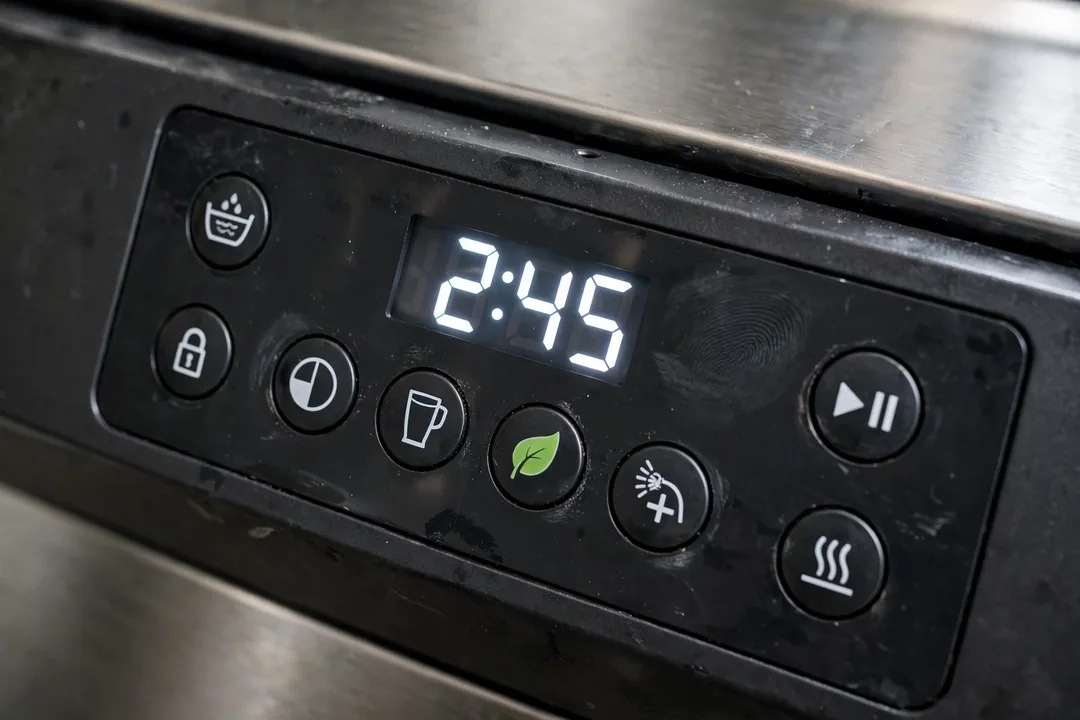
Need appliance repair? Call now for same-day service.
Call +1 (888) 206-0056You load the dishwasher after dinner. It is still running at midnight. Your dishwasher takes too long, and you wonder if something is broken. The good news: long cycles are usually normal. This guide explains what is normal, what is not, and how to speed things up.
Dishwasher Takes Too Long: What Is Normal?
Modern dishwashers take 2 to 4 hours on a normal cycle. That surprises people who grew up with 60 minute machines. But long cycles are by design.
New dishwashers follow strict energy rules. They use much less water than old models. They heat that water to lower temperatures. To still get dishes clean, they soak and wash longer. Time replaces heat and water.
Eco cycles run the longest, often 3 to 4 hours. Normal cycles take 2 to 3 hours. Express or quick wash cycles take 30 to 60 minutes. Check your manual for the rated times on your model. If your cycle matches the manual, nothing is wrong.
Why Sensor Cycles Add Extra Time
Many dishwashers have a sensor or auto cycle. It tests how dirty the water is, then picks the wash length. Very dirty loads get longer cycles.
The sensor adds time in small steps. It may run an extra rinse. It may extend the main wash. A heavily soiled load can push a 2 hour cycle past 3 hours.
This is the dishwasher doing its job. It is trying to get your dishes clean. If you want a fixed time, pick a named cycle like Normal or Express instead of Auto.
Cold Water Makes Cycles Longer
Your dishwasher needs water at about 120 degrees. If the water entering is cold, the dishwasher must heat it. Heating takes time. A lot of time.
This happens often in winter. It also happens if your water heater is set too low. Or if the dishwasher sits far from the water heater, so the first gallons arrive cold.
Fix it with a simple habit. Run the hot water at the kitchen sink before you start the dishwasher. Wait until it feels hot. Then start the cycle. The dishwasher gets hot water right away and skips the long heat-up.
Check your water heater setting too. It should be at 120 degrees. Lower settings save energy but slow every hot water appliance in your home.
A Clogged Filter Slows Everything Down
The filter catches food bits so they do not redeposit on dishes. When it clogs, water cannot flow well. The dishwasher compensates with extra rinses. Extra rinses mean extra time.
Clean the filter once a month. Twist it out from the dishwasher floor. Rinse it under hot water. Scrub off stuck bits with a soft brush. Put it back and lock it in place.
A dirty filter also causes other problems. Our guide on dishwasher not cleaning dishes covers what happens when filters and spray arms clog. Standing water after a cycle points to a drain problem, covered in our dishwasher not draining guide. Slow cycles plus dirty dishes almost always mean the filter needs attention.
Heated Dry and Sanitize Add Big Chunks of Time
Heated dry can add 30 to 60 minutes. The sanitize option adds a long high-heat rinse. These options stack. A normal cycle with both can push past 4 hours.
You do not need these options every time. Skip heated dry for everyday loads. Open the door a crack when the cycle ends instead. Dishes air dry in 15 minutes.
Save sanitize for baby bottles, cutting boards, or illness in the house. For normal loads, it just burns time and energy.
When Long Cycles Signal a Real Problem
A cycle that was always long is probably fine. A cycle that suddenly got longer is worth checking.
Watch for these warning signs. The dishwasher never seems to advance past one stage. Dishes come out dirty despite the long run. Water stays in the bottom after the cycle. You hear the dishwasher struggling or making new noises.
These signs can mean a failing circulation pump, a weak heater, or a bad sensor. The dishwasher keeps trying and cannot finish properly. If cleaning the filter and fixing water temperature do not help, it is time for a diagnosis.
Also consider the age of the machine. Our guide on how long dishwashers last helps with this choice. It covers when a 12 year old dishwasher deserves a repair or a replacement. Very old machines can develop control problems that stretch cycles.
Quick Ways to Shorten Your Dishwasher Cycle
Use Express or Quick Wash for lightly soiled loads. It finishes in under an hour. Skip heated dry and sanitize when you do not need them. Run hot water at the sink first.
Scrape plates but do not pre-rinse. Modern dishwashers and detergents work better with a little food on the dishes. The sensor needs soil to read. Squeaky clean plates can actually confuse it.
Load correctly. Blocked spray arms force extra cycles. Keep tall items out of the spray path. Face dirty sides toward the center.
Clean the filter monthly. Keep the water heater at 120 degrees. These two habits fix most slow-cycle complaints.
Why Your Dishwasher Runs Long on Every Cycle
Some dishwashers run long no matter what you pick. Even Express takes over an hour. This points to a deeper issue.
A failing heating element is a common cause. The dishwasher keeps trying to heat the water and cannot reach temperature. The cycle stretches as it waits. You may notice dishes feel cool and damp at the end.
A worn circulation pump is another cause. Weak water pressure means poor cleaning. The sensor detects dirty water and adds rinses. The cycle grows longer each month.
Hard water buildup on the heater slows heating too. Descale the dishwasher every few months if you have hard water. A cup of vinegar in an empty hot cycle helps.
Our dishwasher repair hub covers pump and heater failures in detail. A technician can test both parts quickly.
The Bottom Line on Long Cycles
A 3 hour cycle on a modern dishwasher is normal. It saves water and energy. It is not a defect. Only worry when the cycle time changes suddenly, or when long cycles come with dirty dishes or standing water.
Our dishwasher repair hub covers every common dishwasher problem. If your dishwasher takes too long and the simple fixes did not help, call us at +1 (888) 206-0056. Find a technician near you on our locations page.
Frequently Asked Questions
How long should a dishwasher cycle take?
Most modern dishwashers take 2 to 4 hours on normal or eco cycles. Older models often finished in 60 to 90 minutes. Long cycles are normal now. New dishwashers use less water and heat it more slowly to save energy. A 3 hour cycle on a new machine is usually working as designed.
Why does my new dishwasher take 3 hours?
New dishwashers meet strict energy rules. They use less water and lower heat. To still get dishes clean, they run longer. Sensor cycles add time by testing how dirty the water is. Eco modes stretch the cycle even further. This is normal, not a defect. Check your manual for the rated cycle times.
Can I make my dishwasher cycle shorter?
Yes. Use the express or quick wash cycle for lightly soiled dishes. Skip heated dry to save 30 to 60 minutes. Avoid the sanitize option unless you need it. Run hot water at the sink before starting so the dishwasher does not wait to heat it. These steps can cut an hour off the cycle.
Does a long dishwasher cycle use more energy?
Not necessarily. Long eco cycles often use less energy than short hot cycles. The dishwasher heats water slowly and uses less of it. The long run time trades time for energy savings. Quick wash cycles use more heat and water per minute. For the lowest bill, use the normal or eco cycle.
Why did my dishwasher suddenly start taking longer?
A sudden change points to a problem. The most common cause is a clogged filter forcing extra rinse cycles. Low water temperature also adds heat-up time. Check and clean the filter first. Make sure your water heater is set to 120 degrees. If the change is sudden and the filter is clean, a sensor or heater may be failing.
Should I replace a dishwasher that runs too long?
Only if the long cycles come with other problems. Dishes still dirty, standing water, or strange noises mean real trouble. A long cycle alone is not a reason to replace. Our repair or replace guide helps you do the math. Most slow-but-working dishwashers just need a filter cleaning.
Broken appliance? We're one call away.
Same-day appliance repair across 40 cities. Upfront pricing, written warranty, and an honest repair-or-replace answer on every job.
Call +1 (888) 206-0056