Dishwasher Repair
Dishwasher won't drain or leaves dishes dirty? Dishwasher repair with flat rate pricing and a written warranty. Most fixes done in one visit. Book online today.
Need dishwasher repair? Call now for same-day service.
Call +1 (888) 206-0056A dishwasher that leaves grit on your glasses turns every meal into a second chore. Dishwasher repair costs far less than a new unit in most cases. The faults are familiar ones: clogged filters, tired pumps, and worn door seals. A good tech finds the real cause instead of guessing at parts.
Dishwasher Not Draining? Start Here
Standing water at the bottom of the tub is the number one dishwasher complaint. Check the filter first. Then check the drain hose for kinks. If you just installed a new garbage disposal, the knockout plug may still be in place. That plug blocks the drain line completely and floods the tub.
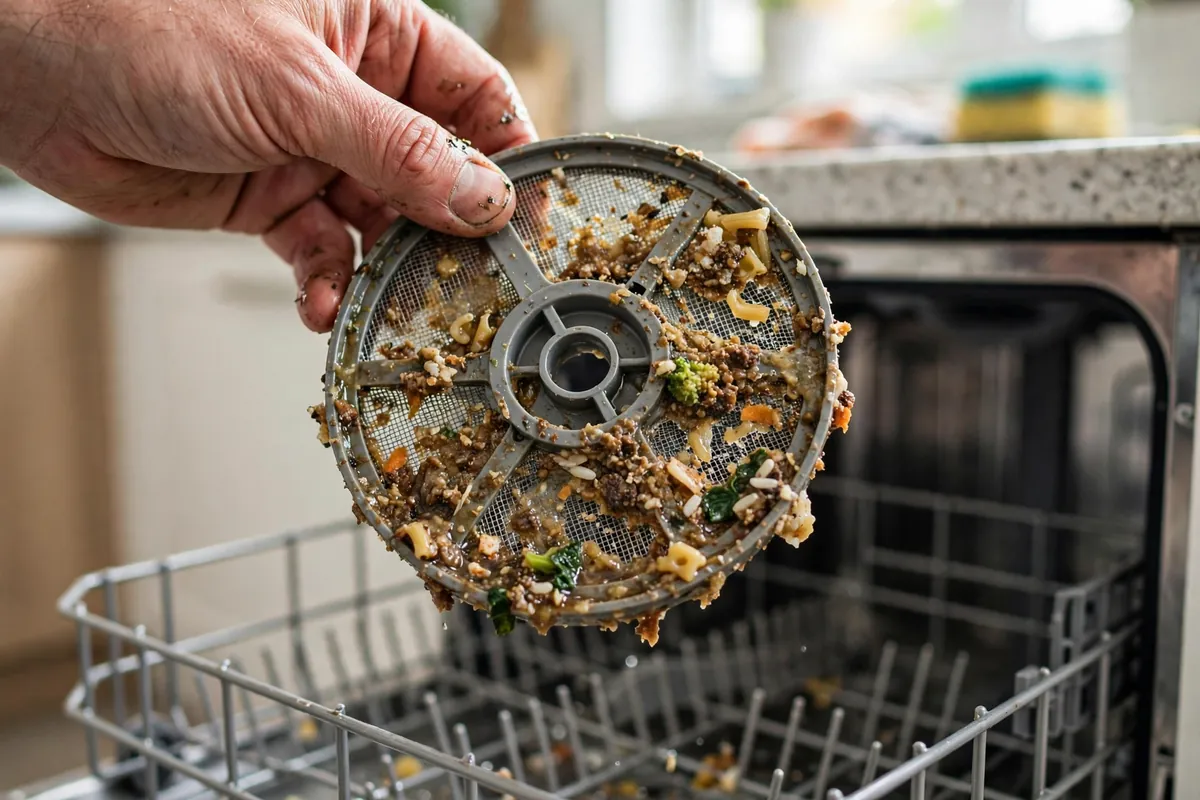
Step 1: Clean the Filter
The filter sits at the bottom of the tub. Pull it out, rinse it under hot water, and scrub it with a soft brush. Food traps here and chokes water flow. Monthly cleaning prevents most drain calls. This one habit solves more dishwasher problems than any other.
Step 2: Check the Drain Path
Follow the drain hose from the dishwasher to the disposal or sink drain. Kinks and clogs stop water from leaving. The drain pump itself can also fail. A failing pump hums loudly or stays silent when it should be pushing water out. A dishwasher repair service should check this whole path before quoting a new pump.
Dishes Still Dirty After the Cycle?
Dirty dishes usually mean weak water flow. Spray arm jets clog with food and hard water scale. Pull the arms off and rinse them under the tap. Make sure nothing inside the rack blocks an arm from spinning. A tall pan can stop the middle arm cold.
Water temperature matters too. The dishwasher needs hot water to dissolve detergent. Run the kitchen tap until it runs hot before you start the cycle. That simple step fixes more “dirty dish” complaints than people expect.
Top Rack Stays Dirty
The top rack washes with less pressure than the bottom. Tall items on the bottom rack can block the middle spray arm. Load tall pots on the sides, not the center. If the top rack is always the problem, the middle arm is likely blocked or cracked.
What to Check Before You Call
Run through this list first. It solves a surprising number of service calls.
- Clean the filter and check the drain hose for kinks.
- Run the hot tap at the sink before starting the cycle.
- Make sure the spray arms spin freely by hand.
- Check that a new garbage disposal knockout plug was removed.
- Use fresh detergent. Old detergent loses its punch.
If the machine still misbehaves after these checks, the fault is in a part. Pumps, valves, and boards need a tech with a meter.
How Long Does the Visit Take
Most dishwasher jobs finish in one visit. Plan for 45 to 90 minutes. Pump and seal swaps are straightforward. The tech runs a full cycle at the end to confirm the fix.
Control board jobs can need a second visit if the board must be ordered. Ask the tech before they leave. A good shop books the return trip on the spot and gives you a firm date.
Hard Water Is Tough on Dishwashers
Mineral scale coats spray arms, filters, and heating parts. White film on glasses is the telltale sign. Use rinse aid with every load. Run an empty hot cycle with dishwasher cleaner once a month. In very hard water areas, a whole home softener protects every appliance, not just the dishwasher.
Scale buildup is slow and silent. By the time dishes look cloudy, the damage has been building for months. Regular cleaning keeps the machine running like it should.
Dishwasher Repair Costs: What to Expect
Most fixes fall into these ranges. Prices move with your market and the part brand.
- Drain pump: $150 to $260
- Door gasket or seal: $100 to $190
- Heating element: $150 to $300
- Circulation pump: $250 to $420
- Control board: $250 to $450
A diagnostic visit runs $60 to $130 in most areas. Ask if the shop credits it toward the repair before you book.
Leaks and Smells: When to Call Quickly
Water on the floor can damage cabinets and subfloors fast. Common leak sources are a torn door gasket, a cracked spray arm, or a loose hose clamp. Turn off the dishwasher first. Shut the water valve under the sink if the leak is active. Then call for service.
Bad smells usually trace to the filter and the food trap. Clean both, then run the hottest empty cycle your machine offers. If the smell persists after a deep clean, the drain hose may be holding stagnant water. A tech can reroute it so it drains fully.
Bosch and LG Dishwashers Need Brand Savvy Techs
Bosch dishwashers show E24 and E25 codes for drain faults and E09 for heater faults. The fix path differs from American brands. Bosch machines also hide their filters and pumps in different spots. An unfamiliar tech can waste a whole visit just finding parts.
LG dishwashers have their own leak sensor quirks and motor fault patterns. Our upcoming brand guides go deep on each one. See the Bosch dishwasher page (coming soon) and the LG dishwasher page (coming soon).
Should You Repair or Replace Your Dishwasher
Dishwashers last about 9 to 10 years. A pump or seal in a five year old machine is worth fixing. A control board in a nine year old machine often is not. Use the 50 percent rule. If the quote tops half the price of a new unit, put the money toward replacement.
Dish washer repair makes the most sense in the middle years. Early failures are usually simple. Late failures stack up. A tech who tells you honestly when to stop fixing is worth keeping.
Get Your Dishwasher Running Again
Start at our home page or pick your city in areas we serve to book a visit. Most dishwasher jobs finish in one trip because techs carry the common pumps, seals, and filters.
Frequently asked questions
Why is my dishwasher not draining?
Standing water usually means a clogged filter, a kinked drain hose, or a failed drain pump. If you just installed a new garbage disposal, the knockout plug may still block the drain line. Clean the filter first. If water still sits in the tub, a tech should test the pump.
Why are my dishes still dirty after the cycle?
Weak water flow is the usual cause. Spray arm jets clog with food bits and hard water scale, or an arm gets blocked and cannot spin. Pull the arms off and rinse them clean. Water temperature matters too. The dishwasher needs hot water to dissolve detergent fully.
My dishwasher is leaking. What should I do?
Turn the dishwasher off right away. If water is still flowing, shut the water valve under the sink. Common leak sources are a torn door gasket, a cracked spray arm, or a loose hose clamp. Leaks can damage cabinets and subfloors fast, so call for service quickly.
Why does my dishwasher smell bad?
Old food trapped in the filter and the sump area causes most dishwasher odors. Pull the filter out and scrub it clean. Check the bottom of the tub for trapped debris. Then run the hottest empty cycle your machine offers with a dishwasher cleaner.
What does it cost to fix a dishwasher?
Most dishwasher fixes run $100 to $450 depending on the part. Drain pumps and door seals sit at the low end. Circulation pumps and control boards sit at the high end. A diagnostic visit usually costs $60 to $130, and many shops credit it toward the repair.
Broken appliance? We're one call away.
Same-day appliance repair across 37 cities. Upfront pricing, written warranty, and an honest repair-or-replace answer on every job.
Call +1 (888) 206-0056