Why Is My Dryer Not Heating?
Why is my dryer not heating? Learn how to fix dryer heating trouble: check the vent, test the thermal fuse, and inspect the heating element today.
Need appliance repair? Call now for same-day service.
Call +1 (888) 206-0056The drum turns but the clothes come out damp and cool. If you are asking why is my dryer not heating, you are facing the most common dryer complaint. Consumer Reports finds that clothes not drying sits near the top of dryer grievances. The fix is often simple. This guide shows how to fix dryer heating trouble from the easiest check to the deeper parts. It also covers the fire safety angle. A dryer that cannot heat is often a dryer that cannot breathe.
Why Is My Dryer Not Heating?
A dryer heats only when three things line up: clear airflow, a working heat source, and working safety thermostats. Blocked airflow is the most common breaker. A clogged vent traps heat in the cabinet and trips the thermal fuse. After that, check the heating element on electric models. On gas models, check the igniter and gas valve coils. A failed cycling thermostat or control board is less common but possible. Always start with airflow. It causes the problem and it kills the parts.
Airflow First: The Vent Is the Usual Suspect
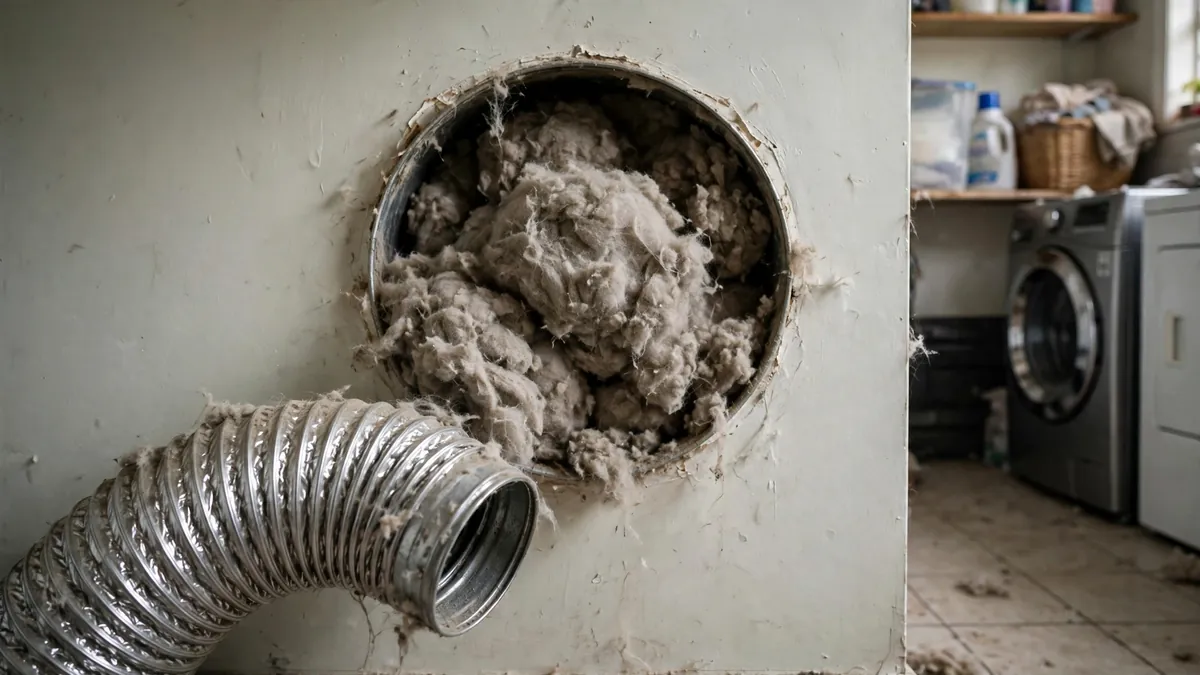
Pull the lint filter out and hold it under the tap. If water beads on the screen instead of flowing through, dryer sheet residue is coating it. Wash the filter with dish soap and let it dry fully. Now check the vent hose behind the dryer. Flexible foil or plastic hose crushes easily and traps lint. Rigid metal duct is safer and flows better. Go outside and find the vent cap. Weak airflow at the cap while the dryer runs means a clog somewhere in the line. The U.S. Fire Administration reports about 2,900 dryer fires each year. Lint buildup is a leading factor. Cleaning the vent is both a repair step and a safety step.
How to Fix Dryer Heating Problems
Unplug the dryer before you remove any panel. On gas models, also close the gas valve. Work the steps in order. Do not skip the vent check, even if you suspect a part.
Step 1: Clean the Lint Filter and Vent Path
Wash the lint filter as described above. Vacuum the lint chute under the filter slot. Disconnect the vent hose from the back of the dryer. Vacuum both the hose and the wall duct. A vent brush kit reaches deep into long duct runs. Reconnect everything with metal clamps, not tape. Run the dryer empty for ten minutes. Strong hot airflow at the outside cap means you may have already solved it.
Step 2: Test the Thermal Fuse
The thermal fuse is a small white plastic part on the blower housing or heater box. It blows once when the dryer overheats, usually because the vent was clogged. A blown fuse cuts power to the heater on most models. It never resets, so it must be replaced. Test it with a multimeter set to continuity. No beep means it is blown. Replace the fuse and fix the vent clog that killed it. A new fuse will blow again if the airflow stays blocked. Fuse replacement is a quick, low cost repair. Typical prices are in our appliance repair cost guide.
Step 3: Check the Heating Element on Electric Models
The heating element is a coiled wire inside a metal housing. Unplug the dryer and remove the back or front panel to reach it. Look for a visible break in the coil. A sagging coil that touches the housing will short out. Test across the element terminals with a multimeter. No continuity means the coil is broken. Replace the whole element housing as one unit. While you are in there, check the high limit thermostat sitting on the housing. It can fail open and mimic a dead element.
Step 4: Check the Igniter and Gas Valve Coils on Gas Models
Gas dryers heat with a burner, not an element. Watch through the peep hole or remove the front panel. Start the dryer and look at the igniter. A healthy igniter glows bright orange. If it glows but no flame appears, the gas valve coils are weak. This is the classic gas dryer fault. The coil set costs little and swaps in minutes. If the igniter never glows at all, the igniter itself is likely dead. Test it for continuity to confirm. Never work on gas parts with the gas valve open.
Step 5: Check the Cycling Thermostat and Timer
The cycling thermostat keeps the drum temperature in range. A failed thermostat can keep the heater off or let it run wild. Test it for continuity at room temperature. Some models also use a timer or control board to switch the heater. If the heater has power but the board never calls for heat, the board is suspect. Board level faults are less common. A technician can confirm with live voltage tests that are not safe for beginners.
Why Does My Dryer Take So Long to Dry Clothes?
Long dry times and no heat often share one cause: poor airflow. A partially blocked vent lets the dryer heat a little but never enough. Clothes tumble for two hours and still feel damp. An overloaded drum does the same thing. Wet clothes need room to tumble through hot air. Cut large loads in half and test again. If small loads dry fine but big ones do not, the vent is the bottleneck. Clean it end to end. Washer trouble can play a role too. A washer that leaves clothes soaking wet doubles the dry time. Our washing machine drain guide covers that side of the problem.
Dryer Safety: When to Stop and Call
Stop and unplug the dryer if you smell burning. Stop if you see scorch marks around the heater housing. Stop if the drum gets extremely hot but the clothes stay wet, which points to a failed thermostat. Lint packed around the heater is a fire hazard. Vacuum it out gently and do not run the machine until it is clear. The Consumer Product Safety Commission advises keeping the area around the dryer clear of lint and clutter. Gas smell means you leave the house and call the gas company first, not a repair tech.
Still No Heat After the Easy Checks?
Vent clear and filter clean, but the air stays cold? The thermal fuse, element, or gas coils are the likely faults. Book dryer repair and a technician will test the whole heat circuit in one visit. Call (TODO: Ringba/LeadSmart call-tracking number) for same day and next day slots. We serve Milwaukee, Sacramento, and Grand Rapids. Pick your city in areas we serve to see local scheduling. Most no heat jobs finish in one visit because techs carry fuses, elements, and coil sets on the truck.
Frequently asked questions
Why is my dryer running but not heating?
Airflow trouble is the top cause. A clogged vent traps heat, trips the thermal fuse, and leaves clothes damp. Clean the lint filter and the vent path first. If airflow is clear, the thermal fuse or heating element is the next suspect.
Can a clogged dryer vent cause no heat?
Yes. Restricted airflow overheats the dryer cabinet. That heat trips the thermal fuse, which cuts power to the heater. The drum keeps spinning with no heat. Clearing the vent fixes the root cause, but the blown fuse still needs replacing.
How do I know if my dryer heating element is bad?
A broken element shows no continuity on a multimeter. You can also see it: unplug the dryer, pull the element housing, and look for a visible break in the coil. A sagging coil that touches the housing will short and must be replaced.
Why does my gas dryer not heat but the igniter glows?
Weak gas valve coils are the classic cause. The igniter glows, but the coils cannot hold the valve open, so no gas flows. Replacing the coil set is cheap and fixes it in most cases.
Is it worth fixing a dryer that does not heat?
Almost always yes. No heat faults are among the cheapest dryer repairs: fuses, thermostats, and coils cost little. Only a failed control board on a very old dryer pushes the math toward replacement.
Broken appliance? We're one call away.
Same-day appliance repair across 37 cities. Upfront pricing, written warranty, and an honest repair-or-replace answer on every job.
Call +1 (888) 206-0056